Business Name: FootPrints Home Care
Address: 4811 Hardware Dr NE d1, Albuquerque, NM 87109
Phone: (505) 828-3918
FootPrints Home Care
FootPrints Home Care offers in-home senior care including assistance with activities of daily living, meal preparation and light housekeeping, companion care and more. We offer a no-charge in-home assessment to design care for the client to age in place. FootPrints offers senior home care in the greater Albuquerque region as well as the Santa Fe/Los Alamos area.
4811 Hardware Dr NE d1, Albuquerque, NM 87109
Business Hours
Monday thru Sunday: 24 Hours
Facebook: https://www.facebook.com/FootPrintsHomeCare/
Instagram: https://www.instagram.com/footprintshomecare/
LinkedIn: https://www.linkedin.com/company/footprints-home-care
Families seldom plan for senior care in a straight line. Needs alter after a fall, a brand-new diagnosis, or just a slow drift of everyday tasks ending up being harder. I have sat at kitchen tables with adult children and their parents, expanding medication lists and calendars, trying to answer one question honestly: what mix of care, security, self-reliance, and expense makes sense today, and what still works 6 months from now? The option often comes down to in-home care or assisted living. Both can be outstanding, both can miss the mark, and the very best decision depends upon the person being in front of you.
This guide makes use of real cases and useful numbers. It strolls through how each model works, where each shines, and what families normally undervalue. The objective is to assist you match a real human, with quirks and preferences and a life time of habits, to a care design that supports those realities.
What "in-home care" really covers
In-home care, in some cases called home care or at home senior care, provides assistance inside the individual's current residence. A caretaker, often from a home care service, comes on a set schedule. Care can be nonmedical, medical, or a mix. Nonmedical senior home care covers activities of daily living. Believe bathing, dressing, grooming, toileting, light housekeeping, meal preparation, and friendship. Caretakers likewise cue medications and drive to appointments. Medical home health, billed through Medicare when eligible, sends out nurses or therapists for wound care, injections, or rehab after a health center stay. Families typically integrate the two.
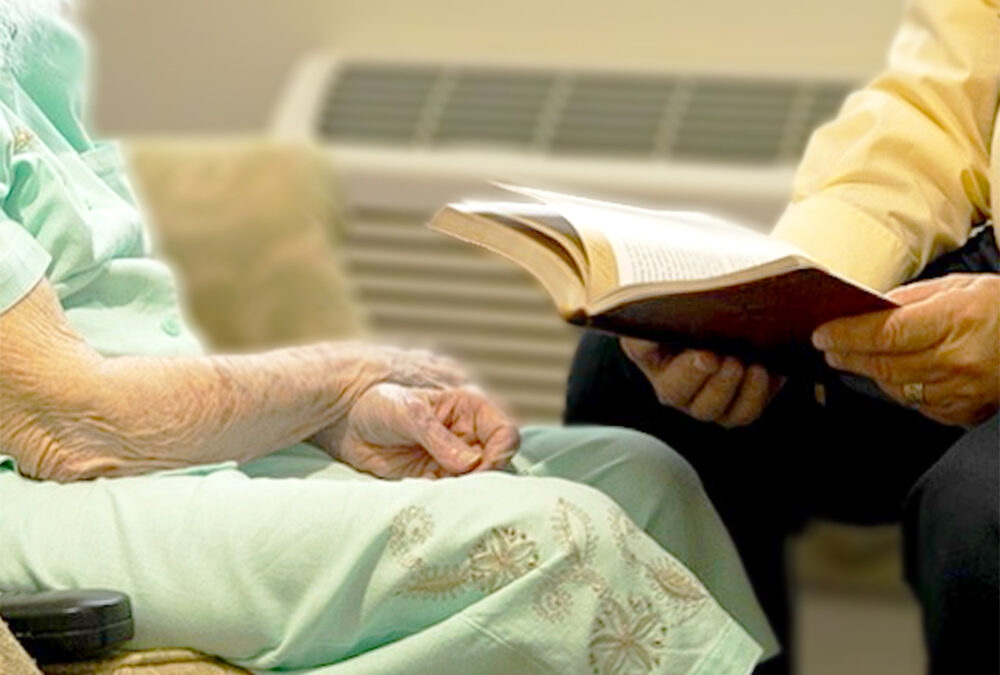
Scheduling can be flexible. Some individuals begin with three early mornings a week, four hours each visit, and change as requirements grow. Others require 24-hour protection split between multiple caregivers. Agencies vet and train personnel, match personalities, manage payroll and taxes, and backfill when someone calls out. Personal caregivers can be less costly, especially for constant hours, but you take on hiring, background checks, and compliance.
The greatest advantage of in-home care is continuity. You keep your regimens, your favorite chair, your neighbors, the way the afternoon light fills the kitchen. That matters more than the majority of intangibles we speak about in healthcare. When someone stays in familiar surroundings, you often see better cravings, steadier sleep, and fewer hospitalizations tied to disorientation.
What "assisted living" means in practice
Assisted living communities are residential settings developed for older grownups who need assist with everyday jobs but do not need the constant nursing oversight of an experienced nursing center. Locals live in personal or semi-private houses. Staff are offered around the clock for unscheduled needs, and arranged services can consist of bathing, dressing, medication management, and escorts to meals. There are activities, transportation, dining rooms, and maintenance. Some residences include memory care systems for dementia, which include security and staff training.
Assisted living is private pay in many states, with monthly charges connected to the house and a "level of care" package. The fee includes rent, utilities, meals, housekeeping, and most activities. The care level is examined on admission and changed as requirements change. That tail end is where expenses typically rise gradually. A resident who begins with minimal support can see their month-to-month charge boost as staff step in to handle medications, aid with transfers, or include two-person assists.
Done well, assisted living resolves seclusion. The social calendar, even if you are not a joiner, offers structure. Physical style reduces fall threats. Bathrooms have grab bars and walk-in showers. Hallways are large. Lighting is better than the typical single-family home. And you can get to the dining room without stairs during a snowstorm.
The every day life test: independence vs support
When I assess whether in-home care or assisted living fits best, I look at a day as it is, not as we want it were. Start with early mornings. Does the individual rise safely, manage the bathroom, gown without tug-of-war battles with tight clothes, and prepare breakfast? If yes, in-home care can layer in lightly, maybe as an early morning safety net a couple of days per week. If early mornings are unsafe or disorderly, assisted living may fit earlier because aid is readily available whenever, not just when a caretaker is scheduled.
Midday matters. Some older grownups do fine till lunch, then nap, then perk up. Others fade as the day goes on, a pattern called sundowning when dementia is involved. Regular late afternoon confusion, exit-seeking, or agitation ideas the scale toward a staffed environment, where cues and redirection are constantly at hand.
Evening and overnight are major pressure points for at home senior care. If somebody requires assistance getting to the restroom at 2 a.m., either family is on call or you work with awake overnight coverage. Assisted living covers those unplanned events, though action times differ by building size, staffing, and design. If a resident rings their call button for the 3rd time in an hour, staff will come, however not immediately. In-home care provides one-on-one attention when arranged, which is hard to duplicate in a house where personnel assistance many people at once.
Health complexity: single medical diagnosis vs layered needs
A single orthopedic problem with great capacity for healing favors home. After a hip replacement, a few weeks of knowledgeable home health plus nonmedical assistance for bathing can bridge the gap back to self-reliance. On the other hand, layered conditions change the calculus. Think heart failure with regular fluid swings, diabetes with insulin injections, cognitive disability that disrupts acknowledging symptoms, and a high fall risk. In those cases a care setting with 24-hour staffing and on-site medication management lowers the opportunity of little concerns becoming health center trips.
Memory care, a subset within many assisted living communities, is worthy of special mention. Early dementia can do well at home, specifically with a familiar area for walking and a caregiver offering cueing. As judgment declines, the dangers rise rapidly. Kitchen area safety, roaming, frauds, and resistance to bathing end up being heavy lifts. A safe and secure memory care unit offers visual hints, predictable routines, and staff trained to handle habits. Families typically wait too long to move because the individual "appears fine," then an event forces a rushed choice. If the range has actually been left on more than once, or doors have been discovered open late during the night, do not disregard those signals.
Costs, without wishful thinking
Costs differ by city, however varies inform a beneficial story. Nonmedical in-home care through a company generally runs 28 to 40 dollars per hour in lots of markets. 3 four-hour sees each week can land around 1,300 to 2,000 dollars monthly. Daily eight-hour coverage reaches approximately 6,500 to 9,500 dollars monthly. Twenty-four-hour protection is the most pricey, often 18,000 dollars and up. Private home care FootPrints Home Care caretakers may charge less, for example 22 to 30 dollars per hour, however cost savings need to be weighed versus the effort of employing, scheduling, and back-up.
Assisted living regular monthly fees frequently start near 4,000 dollars and can exceed 8,000 dollars, depending on apartment or condo size and place. Memory care generally adds 1,000 to 2,500 dollars. Level-of-care costs can include a number of hundred to a couple of thousand as requirements increase. For somebody requiring limited hands-on aid, assisted living can cost less than hiring 8 hours of home care every day. For someone who requires only light support a few days a week, in-home care is much more economical.
Insurance coverage is another differentiator. Medicare spends for intermittent skilled home health if eligibility requirements are met, however not for nonmedical custodial care, which is most of what senior citizens need day-to-day. Long-term care insurance coverage, if purchased years earlier, can compensate either in-home care or assisted living after an elimination duration, normally 30 to 90 days. Medicaid might money assisted living or at home services through waivers in some states, with waitlists and rigorous financial requirements. Veterans and spouses may get approved for Help and Presence benefits, which can balance out hundreds of dollars monthly. Every household I advise fares better when they gather policy information early and speak to an advantages professional instead of guessing.
The home factor: safety, design, and surprise expenses
Homes bring memories and challenges. A two-story colonial with the just complete bath upstairs develops an everyday hazard that even the very best caregiver can not erase. You can set up stair lifts, eliminate journey threats, and include grab bars, but those modifications cost real money and time. A bathroom remodel to a roll-in shower can range from 8,000 to 20,000 dollars. Professional-grade ramps for front steps can go beyond 2,000 dollars. Consider these costs against the lease built into assisted living.
On the other hand, ranch-style homes with wide corridors and a bed room near the restroom are perfect for elderly home care. If a person already resides in a safe layout and the neighborhood offers simple access to groceries and centers, in-home care keeps daily life simple. I have actually seen senior citizens live conveniently for many years with modest upgrades like better lighting, clear pathways, and a shower bench, paying for a couple of caregiver hours per day.
Do not forget the home maintenance problem. Snow removal, yard care, seamless gutter cleansing, device repairs, and real estate tax build up. Families in some cases ignore these since they were topped years. Assisted living folds upkeep and utilities into the month-to-month charge. For a widow on a fixed earnings, consolidating variable costs into one predictable payment can be a relief.
Emotional fit: personality, privacy, and purpose
Care designs succeed when they line up with a person's temperament. Introverts frequently flourish at home with a small, steady team of caregivers. They can sign up with community events when they choose, not when a calendar dictates. Individuals who charge around others in some cases bloom in assisted living. I once watched a male who hardly spoke in the house end up being the unofficial greeter at his brand-new home's breakfast service, due to the fact that the space offered him energy and a role.
Privacy, too, cuts both methods. At home, personal privacy is baked in, however so is solitude if the individual can no longer drive and friends have actually passed away or moved. Assisted living can feel hectic in the beginning, like a small town you did not choose, but over a couple of weeks patterns form. The very best activities personnel will seek out locals individually to learn what in fact matters. Birding club, veterans' groups, poetry circles, chair yoga, lectures from local colleges, even intergenerational story times can offer the day shape beyond meals and naps.
Family characteristics belong here also. Some adult kids believe they can cover overnights or weekends "in the meantime," just to burn out. Others live 1,000 miles away and need trustworthy eyes on the ground. There is no medal for doing it all personally. The ideal mix balances like and sustainability.

Staffing truths: what coverage actually looks like
It is easy to misinterpret staffing on both sides. In-home care guarantees one-on-one attention, however consistency depends upon the agency's swimming pool, your schedule versatility, and the hours you use. Short-shift customers, like two-hour check outs, can be harder to personnel. Households who share choices early, are open about rules and regulations, and treat caretakers as partners maintain staff longer. A respectful environment matters as much as pay.
Assisted living staffing is not one assistant per resident. Ratios differ by shift and by state regulations, frequently higher during the day and leaner in the evening. Response times to call buttons can stretch when several locals require aid at once. Medication passes occur on set schedules. If a resident likes medications at 7:10 p.m., but the designated pass is 8 p.m., there will be friction. Ask pointed concerns throughout tours about average response times, how unplanned over night requirements are handled, and how typically each week a nurse is on site.
Safety and hospitalizations: data meets day-to-day
Falls, infections, and medication mistakes drive hospitalizations for older grownups. In-home care minimizes danger by matching supervision with familiar surroundings. A caretaker who understands the house can clear throw rugs, keep paths lit, and notice when somebody shuffles more than normal. That said, gaps between caretaker shifts leave without supervision hours where falls can happen. Medical alert devices fill part of the space, but only if they are worn.
Assisted living reduces ecological threats and includes eyes around the clock. Staff can catch early signs of urinary system infections or dehydration. They can weigh locals weekly and alert the nurse to fluid retention in cardiac arrest. Still, shifts in between staff and shifts can cause missed out on details unless the building has strong handoff routines. The best neighborhoods track essential patterns and train staff to intensify changes early. Ask how they keep an eye on for weight modifications, appetite loss, and increased confusion.
Family stories that stuck with me
A retired instructor in her late 70s had moderate cognitive disability and a damaged ankle. Her child wanted assisted living immediately. We compromised with 8 weeks of in-home care, 6 hours daily, blending personal care, meal assistance, and home health treatment. She gained back mobility and regimens, then tapered down to three days per week. Two years later she did transfer to assisted living, but on her timeline, after she noticed missing out on words and anxious about cooking. Since she chose the relocation, she adapted faster.
Another case involved a couple in their 80s. He had advancing Parkinson's with freezing gait and hallucinations. She was his primary caregiver and weighed barely 100 pounds. They demanded staying at home. We tried 12 hours of protection daily. Nights were rough, and she slept with one eye open. After 2 falls that needed fire department assists, we visited memory care. He moved initially, she followed him into an assisted living apartment a couple of months later. She visited him every early morning, then joined good friends in the afternoon. Her blood pressure normalized. Their marital relationship recovered from the strain of caregiving.
When to pivot: indications that the existing plan is failing
Families often request a list. A brief one helps when you are too near the circumstance to see patterns.
- More than 2 falls in 3 months, or any fall with injury. Medication errors that trigger missed out on dosages or double doses. Wandering, leaving the stove on, or night-time confusion that endangers safety. Caregiver burnout indications: resentment, sleep deprivation, or avoided medical visits for the caregiver. Rapid expense escalation in home care hours that nears or goes beyond assisted living fees.
If any of these hold true, pause and reassess. Sometimes the repair is modest: include night hours, swap to a more experienced senior caretaker, or move the bedroom downstairs. Other times, a move supplies the safer path.
Building a wise choice process
Rather than requiring a winner in between in-home care and assisted living, set up a series of gates. Validate existing threats, trial a solution, procedure results for a month, and change. Keep your parent or partner at the center. They should have veto power over little things and a strong voice in huge ones, as long as security is undamaged. Consider a time-limited trial of one model, with a clear fallback. A 30-day respite remain in assisted living, for instance, can expose whether the setting enhances hunger and sleep. A 30-day boost in home care hours can do the same.
Doctor input helps if it specifies. A note that says "hazardous to live alone" may be true yet not actionable. Ask the clinician to information exactly what makes it risky and what supports would reduce the risk. Physiotherapists can assess transfer safety and advise devices. Physical therapists can evaluate the home and suggest modifications that lower strain.
Legal and financial steps ought to run in parallel. Long lasting powers of lawyer for health care and financial resources, HIPAA kinds, and a review of monetary accounts make either path smoother. If assisted living is most likely within a year, get on waitlists. Good neighborhoods fill quickly, and a deposit can save scrambling.
Matching values to the care model
Values drive complete satisfaction more than functions. Some seniors define self-respect as staying in the house they settled 40 years earlier. Others define dignity as not needing to ask a kid to assist with personal care. The ideal response honors that meaning while maintaining security. Pragmatically, that may indicate heavy at home support at first, with a prepared relocate to assisted living when night-time needs increase. Or it may indicate moving faster to protect a marital relationship or a caregiver kid's job.
The finest outcomes I have seen share a typical thread: proactive transparency. Families speak freely about money, energy, worries, and hopes. They ask the home care service how backup works during storms. They ask the assisted living sales director about staff turnover and what takes place when a resident runs out of funds. They do not go for vague reassurances.
A quick side-by-side to ground your choice
When you feel stuck, an easy contrast clarifies compromises without pretending the decision is purely logical.
- In-home care optimizes control over day-to-day rhythms and environment, and scales up as required. It becomes costly if you require comprehensive hours, and nights are difficult to cover sustainably. Assisted living centralizes assistance and minimizes seclusion risks, with built-in security features and 24-hour personnel. Expenses are foreseeable month-to-month however can rise with care levels, and privacy is various from home. Both can be combined strategically. Lots of households use in-home care as a bridge to assisted living, or preserve a few private caretaker hours inside assisted living for one-on-one assistance during tough times, such as bathing or night confusion.
Final thoughts from the field
I think back to a little index card I once saw taped to a fridge: "What gets me through the day: coffee at 8, the paper at 9, sunlight at 10, a nap after lunch, the Red Sox on the radio." That card decided simple. We developed in-home care around those anchors, then relocated to assisted living when those anchors quit working. The move was not a failure. It was the next right step.
Whether you pick senior home care or assisted living, judge success by stability over weeks, not by a single good or bad day. Look for less crises, steadier state of minds, and caretakers who understand the individual's favorite mug without asking. Change quicker than feels comfy when safety slips. And keep space for appreciation, due to the fact that taking care of an older adult is tough and intimate work, and it is fine to desire help.

FootPrints Home Care is a Home Care Agency
FootPrints Home Care provides In-Home Care Services
FootPrints Home Care serves Seniors and Adults Requiring Assistance
FootPrints Home Care offers Companionship Care
FootPrints Home Care offers Personal Care Support
FootPrints Home Care provides In-Home Alzheimer’s and Dementia Care
FootPrints Home Care focuses on Maintaining Client Independence at Home
FootPrints Home Care employs Professional Caregivers
FootPrints Home Care operates in Albuquerque, NM
FootPrints Home Care prioritizes Customized Care Plans for Each Client
FootPrints Home Care provides 24-Hour In-Home Support
FootPrints Home Care assists with Activities of Daily Living (ADLs)
FootPrints Home Care supports Medication Reminders and Monitoring
FootPrints Home Care delivers Respite Care for Family Caregivers
FootPrints Home Care ensures Safety and Comfort Within the Home
FootPrints Home Care coordinates with Family Members and Healthcare Providers
FootPrints Home Care offers Housekeeping and Homemaker Services
FootPrints Home Care specializes in Non-Medical Care for Aging Adults
FootPrints Home Care maintains Flexible Scheduling and Care Plan Options
FootPrints Home Care is guided by Faith-Based Principles of Compassion and Service
FootPrints Home Care has a phone number of (505) 828-3918
FootPrints Home Care has an address of 4811 Hardware Dr NE d1, Albuquerque, NM 87109
FootPrints Home Care has a website https://footprintshomecare.com/
FootPrints Home Care has Google Maps listing https://maps.app.goo.gl/QobiEduAt9WFiA4e6
FootPrints Home Care has Facebook page https://www.facebook.com/FootPrintsHomeCare/
FootPrints Home Care has Instagram https://www.instagram.com/footprintshomecare/
FootPrints Home Care has LinkedIn https://www.linkedin.com/company/footprints-home-care
FootPrints Home Care won Top Work Places 2023-2024
FootPrints Home Care earned Best of Home Care 2025
FootPrints Home Care won Best Places to Work 2019
People Also Ask about FootPrints Home Care
What services does FootPrints Home Care provide?
FootPrints Home Care offers non-medical, in-home support for seniors and adults who wish to remain independent at home. Services include companionship, personal care, mobility assistance, housekeeping, meal preparation, respite care, dementia care, and help with activities of daily living (ADLs). Care plans are personalized to match each client’s needs, preferences, and daily routines.
How does FootPrints Home Care create personalized care plans?
Each care plan begins with a free in-home assessment, where FootPrints Home Care evaluates the client’s physical needs, home environment, routines, and family goals. From there, a customized plan is created covering daily tasks, safety considerations, caregiver scheduling, and long-term wellness needs. Plans are reviewed regularly and adjusted as care needs change.
Are your caregivers trained and background-checked?
Yes. All FootPrints Home Care caregivers undergo extensive background checks, reference verification, and professional screening before being hired. Caregivers are trained in senior support, dementia care techniques, communication, safety practices, and hands-on care. Ongoing training ensures that clients receive safe, compassionate, and professional support.
Can FootPrints Home Care provide care for clients with Alzheimer’s or dementia?
Absolutely. FootPrints Home Care offers specialized Alzheimer’s and dementia care designed to support cognitive changes, reduce anxiety, maintain routines, and create a safe home environment. Caregivers are trained in memory-care best practices, redirection techniques, communication strategies, and behavior support.
What areas does FootPrints Home Care serve?
FootPrints Home Care proudly serves Albuquerque New Mexico and surrounding communities, offering dependable, local in-home care to seniors and adults in need of extra daily support. If you’re unsure whether your home is within the service area, FootPrints Home Care can confirm coverage and help arrange the right care solution.
Where is FootPrints Home Care located?
FootPrints Home Care is conveniently located at 4811 Hardware Dr NE d1, Albuquerque, NM 87109. You can easily find directions on Google Maps or call at (505) 828-3918 24-hoursa day, Monday through Sunday
How can I contact FootPrints Home Care?
You can contact FootPrints Home Care by phone at: (505) 828-3918, visit their website at https://footprintshomecare.com, or connect on social media via Facebook, Instagram & LinkedIn
Strolling through historic Old Town Albuquerque offers a charming mix of shops, architecture, and local culture — a great low-effort outing for seniors and their caregivers.